
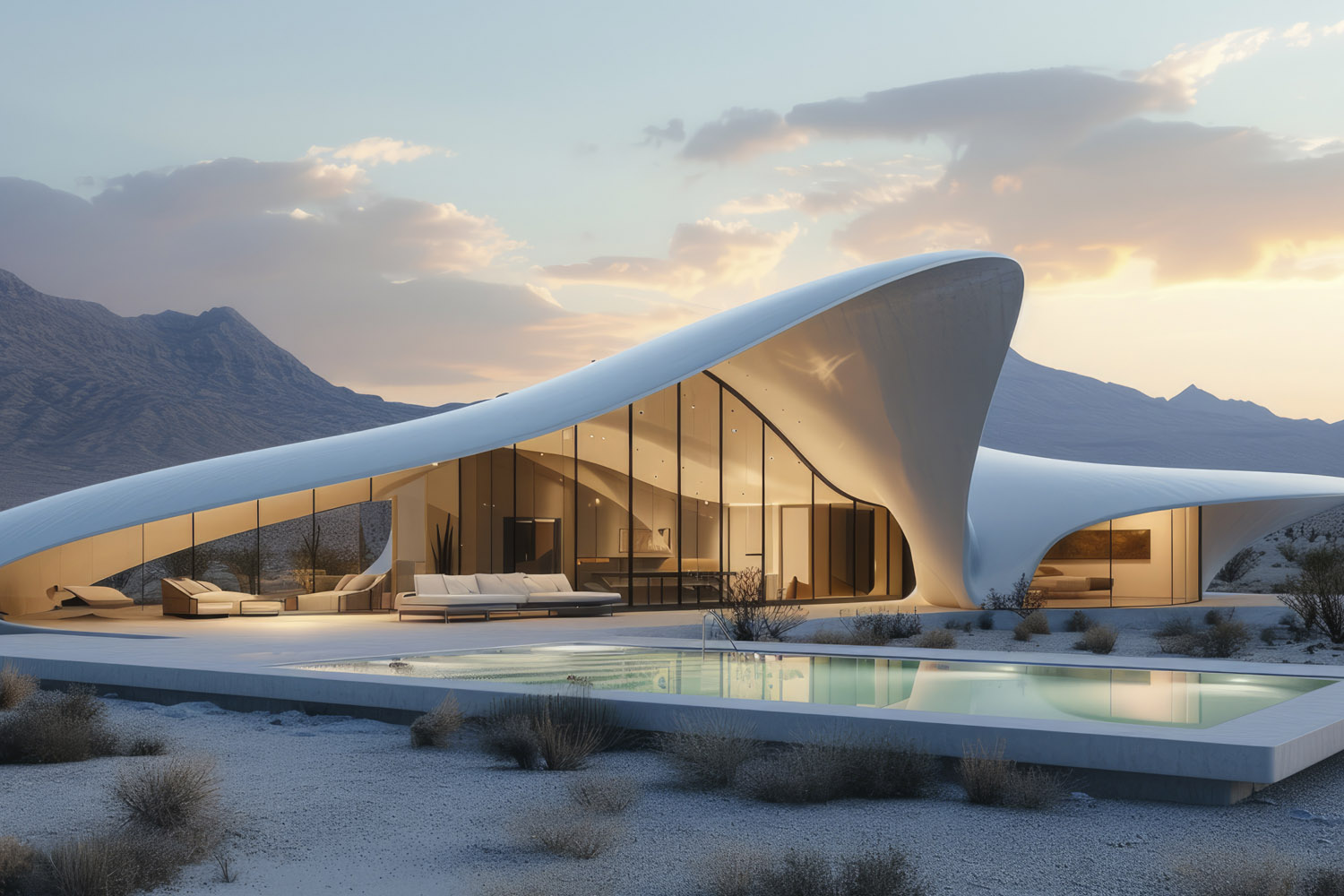
iBuildity Architectural Design
Innovative and context-driven designs that combine functionality, aesthetics, and sustainability to shape distinctive buildings.
What is Architectural Design?
Architectural Design is the art and science of creating the concept and plan for buildings and spaces. It goes beyond just the appearance of a structure to encompass its function, safety, sustainability, and the experience of its users. It is the process of turning a need or vision into a coherent, buildable plan.
Programming
Defining the client's requirements, budget, and site constraints.
Schematic Design
Creating initial sketches and massing studies to explore the overall concept and layout.
Design Development
Refining the design, defining materials, and integrating structural and mechanical systems.
Construction Documents
Producing detailed drawings and technical specifications for contractors to build from.
Construction Administration
Overseeing the construction phase to ensure it aligns with the design intent.
Core Objectives
-
Functionality:
The design must meet the practical needs and purposes of the people who will use the space. -
Durability & Safety:
The structure must be sound, stable, long-lasting, and safe for occupants. -
Aesthetics:
The design should be visually pleasing and create a desired emotional or experiential response. -
Sustainability:
Modern design prioritizes minimizing environmental impact through energy efficiency, responsible material selection, and harmony with the site.
The Key Stages of the Design Process
Space
The primary medium of architecture; the creation and organization of volumes.
Form
The overall shape and massing of the building.
Light
The use of natural and artificial light to illuminate and define spaces.
Materials
The selection of substances like concrete, glass, wood, and steel, which influence aesthetics, texture, and performance.
Line, Color, & Texture
The visual tools that define boundaries, create patterns, and add sensory detail.