
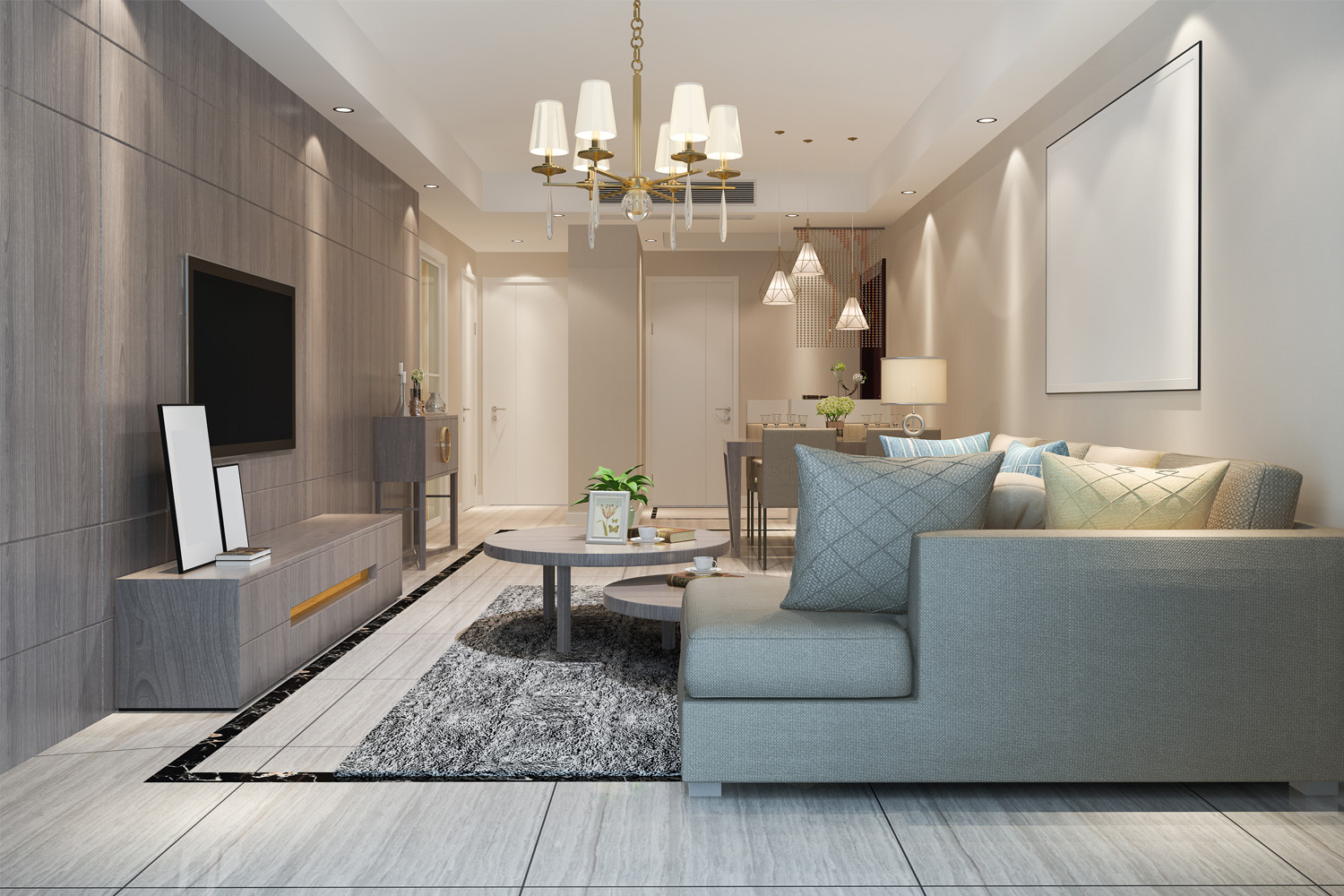
iBuildity Interior Design
Creative, human-centered spaces that reflect identity, comfort, and style — from concept to final detail.
In essence, interior design shapes the interior experience. It’s not just about making a space look beautiful, but about making it work optimally for the people who live, work, or play within it.
Core Definition
The Art and Science: It is the professional practice of understanding people’s behavior to create functional, safe, and aesthetically pleasing interior spaces within a building.
The Focus: It deals with the interior environment—the layout, furnishings, lighting, and materials that define how a space feels and functions for its occupants.
The Goal: To enhance the quality of life, culture, and experiences of the people using the space.
Space Planning
Optimizing the layout of furniture and equipment to ensure efficient circulation and use of space.
Concept Development
Creating a cohesive theme, mood, or style for the interior (e.g., minimalist, industrial, traditional).
Selection & Specification
Choosing color palettes, furniture, lighting, fixtures, floor and wall coverings, and artwork.
Human Well-being
Focusing on ergonomics, acoustics, and accessibility.
Coordination
Working with architects, contractors, and electricians to ensure the design is implemented correctly.
Key Elements
-
Color & Texture:
Used to set a mood, define zones, and add visual interest. -
Lighting:
A critical layer combining ambient (general), task, and accent lighting to create atmosphere and functionality. -
Furniture & Fixtures:
The pieces that define the space's purpose and style. -
Materials & Finishes:
The surfaces (flooring, countertops, wall treatments) that determine the tactile and visual quality.
Interior Design vs. Interior Decorating
Interior Design
involves spatial planning, technical knowledge (like building codes), and creating functional layouts from the inside out. It often requires formal education and licensing.
Interior Decorating
focuses primarily on the aesthetic surface adornment of a space—such as paint colors, furniture, and accessories—after the architectural shell is complete. It is less regulated.